2020
2019
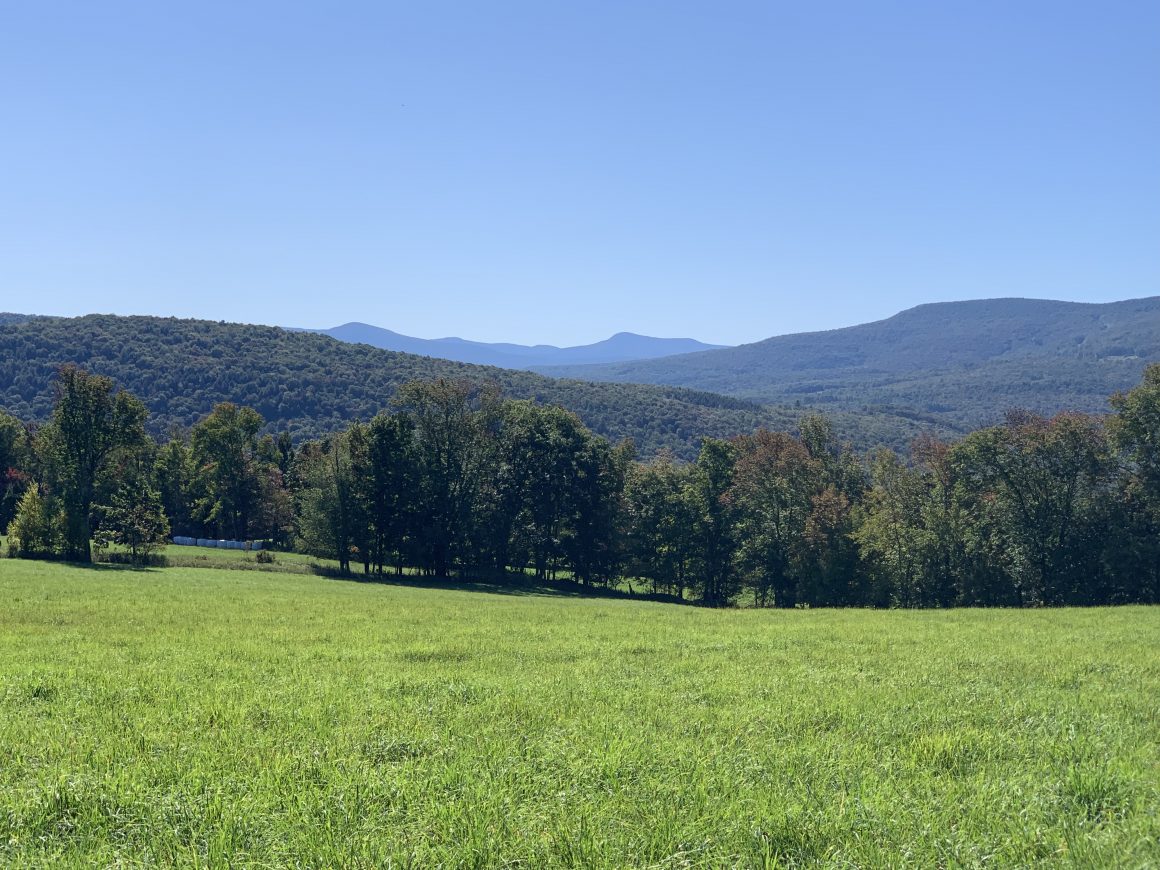
The Conservation Easement program has protected over 30,000 acres of farm and forest land for 200+ NYC Watershed families.

2018
- West of Hudson Agricultural Program has 290 Farms covering 153,000 Acres
- Easement Program has 28,500+ acres of farm and forest land protected
- 120,000 acres of managed forest land, 500+ miles of logging trails stabilized
- 300 Pure Catskills members
- 78 farms covering 10,000+ acres in Croton Watershed
- $255+ million spent in the Watershed on farm and forest projects to date

2017

2016
The endowment, which was funded by New York City, will be used by WAC to steward easement lands that are held by the council now and in the future.
Precision Feed Management Program launched

2015
Conservation Easement program to protect forest lands implemented.
MyWoodlot website launches.

2014
Pure Catskills brand expands to promote both Farm and Forest Products from producers of the NYC Watershed/Catskills region.

2011
The Watershed Agricultural Council strives to promote the economic viability of agriculture and forestry, the protection of water quality, and the conservation of working landscapes through strong local leadership and sustainable public-private partnerships.

2007
New York City drinking water continues to meet national standards. The Environmental Protection Agency extends the Filtration Avoidance Determination (F.A.D.) another ten years, a testament to the successes of this international watershed model with urban/rural benefits.
2010

2004
- Pure Catskills Buy-Local campaign begins showcasing watershed producers
- The first Pure Catskills Guide to Products is published

2000
NYC/Watershed Classroom partnership established
2000

1998
CREP Program adopted
- To enhance the program by addressing stream edge barriers
- 85% farm participation goal achieved

1997
Filtration FAD Goals Restructured
New Goals for:
- Commenced Implementation
- Substantially Implemented
- Annual Status Reviews
East of Hudson Program started in the Croton Watershed

1996
- The Green Book/Forestry Program established
- BMPs used to train foresters and loggers in preventing non-point pollution
Economic Viability and Outreach Programs Started

1994
Phase II Begins
- Program Goal – 85% farms participating
- Planning Goal of 1 WFP/month per Team
- Cost Guideline Developed
- Adoption of USDA standards

1993
EPA grants NYC a Waiver of filtration
- Requires implementation of “Brown Book” Guiding Principles
- Required Funding of Watershed Agricultural Program
- Regulations developed for non-agricultural sources

1992
Phase I Begins
- Develop, Test, Evaluate, Demonstrate, and Promote Whole Farm Planning process
- Environmental Review Problem diagnosis developed, uses multiple barrier approach

1991
“Brown Book” Establishes Program Guidelines
- NYC DEP agrees to pay 100% BMP cost to avoid filtration
- Protects farmers from expensive and unnecessary regulations

1990
- Livelihood of Farmers at risk
- Agencies conduct Outreach Meetings
- Ad Hoc Policy Task Force Formed
1990
1980

1986
Filtration required for surface drinking water supplies